
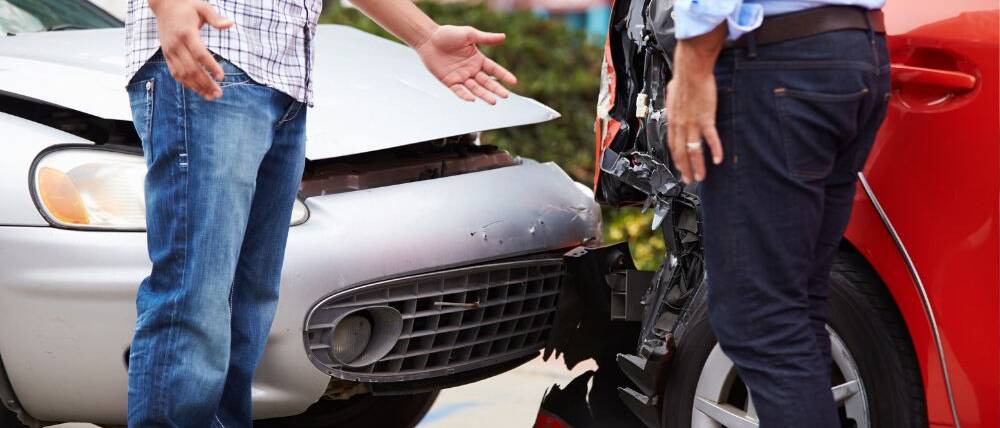
What Happens If Someone Else Is Driving My Car And Gets In An Accident In Colorado?
Most drivers understand the basic process of handling a car accident when they’re behind the wheel.
However, the situation becomes significantly more complex when someone else is driving your vehicle and gets into an accident.
This scenario creates a web of insurance complications, liability questions, and legal considerations that can leave car owners feeling overwhelmed and uncertain about their next steps.
As a Colorado car accident attorney with over 32 years of experience, I’ve helped countless clients work through these challenging situations.
Understanding your rights and responsibilities when someone else crashes your car is crucial for protecting yourself financially and legally.
The process isn’t straightforward, and several critical factors will determine how your case unfolds and what you can expect moving forward.
The Permission Question: Your First Critical Decision Point
The most important question to address immediately is whether you gave the other person permission to drive your car.
This single factor will dramatically influence every aspect of how the accident claim proceeds under Colorado law.
When you grant someone permission to use your vehicle, you’re essentially extending your insurance coverage to them as well.
Colorado follows what’s known as “primary insurance” coverage, meaning your insurance policy covers the vehicle itself rather than just the driver.
This means that if you permitted someone to drive your car, your insurance becomes the primary coverage responsible for any damages or injuries resulting from the accident.
The permission doesn’t need to be explicit or formal.
Even implied permission, such as regularly allowing a family member to use your car, can trigger this coverage relationship.
However, if you didn’t give permission for someone to drive your car, the legal landscape changes dramatically.
In cases involving unauthorized use, the liability and insurance responsibilities become much more complex and depend heavily on the specific circumstances of the accident.
How Colorado’s At-Fault Insurance System Works
Colorado operates under an at-fault insurance system, which means the person responsible for causing the accident is typically responsible for covering the damages.
This system has been in place since 2003, when Colorado moved away from its previous no-fault insurance model.
Under the current system, determining who caused the accident becomes a crucial element in resolving your claim.
If the person driving your car was at fault for the accident, your insurance company will be responsible for covering the damages to other vehicles, property, and any injuries sustained by other parties.
Conversely, if the other driver caused the accident, you would file a claim against their insurance policy to recover damages to your vehicle and any other losses.
Colorado also follows modified comparative negligence rules, which means responsibility for an accident can be divided among multiple parties.
Even if the person driving your car bears some responsibility for the accident, they may still be eligible for compensation as long as their share of fault remains below 50 percent.
The amount of compensation available gets reduced proportionally based on their percentage of fault.
The Complexity of Injury Claims
When injuries occur in an accident involving your vehicle, the stakes become much higher and the process more complicated.
Minor injuries typically follow standard claim procedures, but severe injuries or fatalities can create significant legal exposure and require immediate professional legal assistance.
The extent of your insurance coverage becomes critically important in injury cases.
Many insurance policies have coverage limits that may not fully cover serious injuries or multiple injured parties.
When your policy limits are insufficient, the person driving your car may need to rely on their own insurance coverage to bridge the gap.
This situation introduces additional complexity as multiple insurance companies become involved in the claim resolution process.
The coordination between different insurers can slow down the process and create disputes over which company should pay what portion of the damages.
Personal Liability: When You Could Be Held Responsible
Even though you weren’t driving at the time of the accident, certain circumstances can make you personally liable for damages.
This personal liability typically arises when you’ve been negligent in allowing someone to drive your car.
Examples of negligent entrustment include permitting someone to drive when you know they’re under the influence of drugs or alcohol, don’t have a valid driver’s license, or have been disqualified from driving.
If you allowed someone to drive your car knowing they posed a danger to others, you could face personal liability beyond what your insurance covers.
This type of claim can result in significant financial exposure and potential legal consequences.
Proving that you weren’t negligent in allowing someone to drive your car becomes crucial in defending against these types of claims.
Insurance Coverage Limits and Gaps
Understanding the specific terms and limits of your insurance policy is essential when someone else crashes your car.
Colorado law establishes minimum insurance requirements, but many policies provide coverage beyond these minimums.
Your policy may include limits on liability coverage, comprehensive coverage, and collision coverage that affect how much protection you have.
When damages exceed your policy limits, the person driving your car may need to use their own insurance to cover the difference.
This creates a complex situation where multiple insurance companies must coordinate their coverage and determine their respective responsibilities.
The process of resolving claims involving multiple insurers can be time-consuming and may require legal intervention to ensure fair treatment.
Immediate Steps to Take After the Accident
1. Work Collaboratively with the Driver
Maintaining open communication with the person who was driving your car is essential, even if you’re frustrated or upset about the accident.
Getting angry or confrontational can make them less cooperative, which ultimately hurts your ability to resolve the claim effectively.
You need their cooperation to gather information, work with insurance companies, and present a unified approach to resolving the matter.
2. Gather Complete Information About the Accident
Collecting comprehensive information about how the accident occurred is crucial for protecting your interests.
You need to understand the sequence of events, who was at fault, what the other parties said at the scene, and whether there were any witnesses.
The police report will provide an official account of the accident, but getting the driver’s perspective and any other available information helps you understand the full picture.
3. Document Everything with Evidence
Physical evidence from the accident scene can provide objective information about what happened.
Photos of vehicle damage, debris patterns, skid marks, and the accident location can all help establish the facts.
Even if you trust the person who was driving your car, their memory of events may be imperfect due to the stress and quick pace of the accident.
4. Communicate with All Parties Involved
Speaking with the other drivers involved in the accident can provide valuable insights into their version of events and help you assess the strength of your position.
If their account differs significantly from your driver’s story, it indicates the case may be more complex to resolve.
Understanding their perspective also helps you anticipate potential challenges in the claim process.
5. Maintain Detailed Records
Keeping thorough notes of all conversations, communications, and developments in your case is extremely important.
Document every interaction with insurance companies, other parties, witnesses, and anyone else involved in the accident.
These records become invaluable if disputes arise or if you need to provide information to an attorney.
6. Contact Your Insurance Company Immediately
Notify your insurance company about the accident as soon as possible, even if it appears the other driver was at fault.
Your insurer needs to be aware of the situation and can guide you through their specific claims process.
Early notification also ensures you comply with any reporting requirements in your policy.
7. Review Your Policy Coverage
Work with your insurance company to understand exactly what your policy covers and what limits apply.
This information helps you and the person who was driving your car understand when additional coverage might be needed.
8. Exercise Patience During the Process
Car accident claims involving someone else driving your car often take longer to resolve than typical accidents.
The additional complexity of determining fault, coordinating multiple insurance companies, and gathering information from all parties requires patience.
Rushing the process rarely leads to better outcomes and can sometimes hurt your case.
9. Protect Against Negligence Claims
If there’s any possibility you could be accused of negligently allowing someone to drive your car, gather evidence to defend against such claims.
Document that the person had a valid license, wasn’t impaired, and that you had no reason to believe they posed a danger to others.
10. Seek Legal Guidance Early
Given the complexity of these situations, consulting with an experienced car accident attorney early in the process is often beneficial.
Legal representation can help you understand your rights, deal with insurance companies, and ensure you receive fair treatment throughout the claims process.
What If You Didn’t Give Them Permission?
If someone drove your car without permission, the legal situation becomes quite different.
In cases of vehicle theft by strangers, you typically won’t be held liable for damages they cause to other parties.
However, you’ll likely need to file a claim with your own insurance company for damages to your vehicle.
When the unauthorized driver is someone you know, the situation becomes more complex.
You’ll need to prove that you didn’t give them permission to drive your car.
If you can’t establish this lack of permission, you may need to follow the same process as if you had given permission.
The Importance of Professional Legal Assistance
These situations involve multiple areas of law, including insurance regulations, negligence principles, and liability rules.
Having experienced legal representation can make a significant difference in the outcome of your case.
I’ve handled over 10,000 cases during my 32 years of practice, including many complex situations involving unauthorized drivers and disputed liability.
My experience representing insurance companies early in my career gives me unique insight into how they approach these claims and what strategies work best for protecting my clients’ interests.
If you’re facing a situation where someone else crashed your car, don’t try to handle it alone.
The financial and legal consequences can be significant, and having professional guidance can help you achieve the best possible outcome.
Frequently Asked Questions About These Cases
Will my insurance rates go up if someone else crashes my car?
Your rates may increase depending on your insurance company’s policies and who was at fault for the accident. Many insurers will raise rates for at-fault accidents even when you weren’t driving.
What if the person driving my car doesn’t have insurance?
If they don’t have insurance and your policy limits are insufficient to cover all damages, you may face personal financial exposure. This is why understanding your coverage limits is so important.
Can I sue the person who was driving my car?
You may be able to pursue legal action against the driver if they were negligent or if their actions caused damages beyond what insurance covers. This depends on the specific circumstances of your case.
How long do I have to file a claim?
Colorado’s statute of limitations for car accident claims is generally three years, but insurance companies often have much shorter reporting requirements. Contact your insurer immediately to avoid any issues.
What if I let someone borrow my car regularly?
Regular permission to use your vehicle can create ongoing coverage relationships. Make sure your insurance policy adequately covers this situation and consider having regular drivers added to your policy.
Has Someone Been In An Accident With Your Car?
If you’re dealing with a situation where someone else was driving your car during an accident, contact me at (970) 232-0774 for a consultation.
I can help you understand your rights, deal with insurance companies, and work toward the best possible resolution of your case.